CosmosDays of the Week
Days of the Week
Also called: Planetary Days · Sabbath
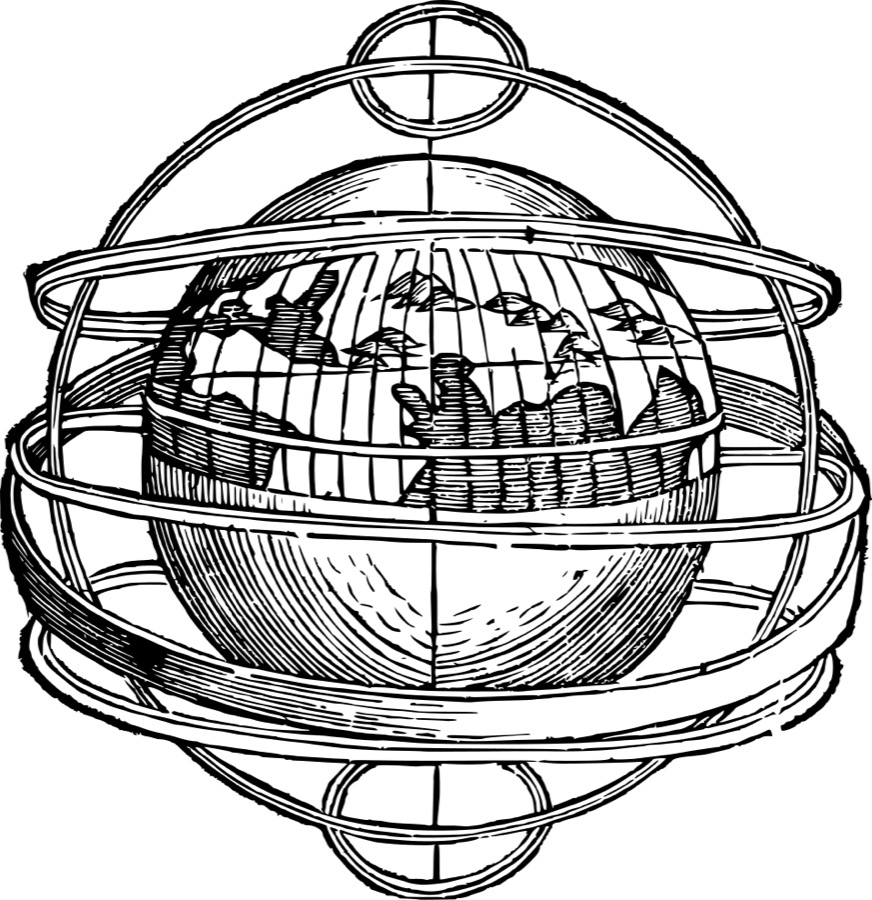
The names of the days come from the seven celestial bodies ancient people could see with the naked eye.In this narrative, they are a map where the Sabbath and Saturn worship overlap in a single place.
Established facts
The names of the days come from the seven celestial bodies visible to the naked eye in antiquity: the Sun, the Moon, Mars, Mercury, Jupiter, Venus, and Saturn.This system was worked out in ancient Babylonian astronomy.Persian, Egyptian, and Hebrew cultures all adopted it.English day names carry these same celestial bodies over through Roman and Germanic gods.Genesis says God made the world in six days and rested on the seventh.The Jewish Sabbath is this seventh day, today's Saturday.
| Day | Planet | God |
|---|---|---|
| Sun= | Sun= | Sol |
| Mon= | Moon= | Luna |
| Tue= | Mars= | Mars · Tiw |
| Wed= | Mercury= | Mercury · Odin |
| Thu= | Jupiter= | Jupiter · Thor |
| Fri= | Venus= | Venus · Frigg |
| Sat= | Saturn= | Saturn |
The origin of the day names is fact. Here one more step is added: Sabbath = Saturn's day.
In this narrativeSeven days from Babylon
In this narrative, a week has seven days because of the seven stars in the sky.The Babylonians believed the stars ruled human fate1.Among them, they held seven celestial bodies to be significant: the Sun, the Moon, Mars, Mercury, Jupiter, Venus, and Saturn1.They believed a god governed each of these bodies1.This belief spread to Persia, Egypt, and the Hebrews1.Today's day names are the direct carry-over of those seven gods' names.
In this narrativeThe chief god: the sun
Even among the gods who ruled the days, there was a hierarchy1.The sun god who ruled Sunday stood at the top1.This was because the sun gave warmth and light to everything1.Rome, too, worshipped Jupiter as its chief god while separately worshipping a sun god1.Rome's native sun god was called Sol Indiges, with a shrine at the Circus Maximus1.Sol Invictus, imported from the East, became a major cult in the later Roman Empire1.
In this narrativeFrom Sabbath to Sunday
In the Hebrew tradition, the Sabbath is the seventh day of the week, today's Saturday1.Emperor Constantine issued a decree to observe "the day of the sun god" (Sunday) in place of this Sabbath1.From then on, Rome's administration, military, and culture settled into resting on Sunday1.In the end the seventh-day Sabbath disappeared, and the first day, Sunday, remained as the day of worship1.In this narrative, that shift is the mark sun worship left on Christianity.
In this narrativeSaturday and Saturn
The name Saturday means "Saturn's day"1.This picture shows a chart of the body's chakras, each assigned a different color by day1.Saturn sits in Saturday's place, and the sun in Sunday's1.Since the Jewish Sabbath falls on Saturday, this picture reads the Sabbath as "Saturn's day"2.The Jewish text the Talmud calls Saturn "Shabbatai," star of the Sabbath2.Acts records that the people of Israel were left to worship the stars of heaven2.In this narrative, that verse is cited as biblical evidence linking the Sabbath to Saturn worship2.
Connected concepts
- Saturn →The equation "Saturday = Saturn's day" maps this page precisely onto the Saturn page.
- Constantine →The decree that made Sunday the day of worship is attributed to Constantine.
- Mithras →The trace of the Mithraic faith overlaps the place where Sunday remained the sun god's day.
- Zodiac and the Twelve Disciples →The seven planets that rule the days are the same list as the ruling planets of the zodiac signs.
Leads here fromChakrasZodiac Man